
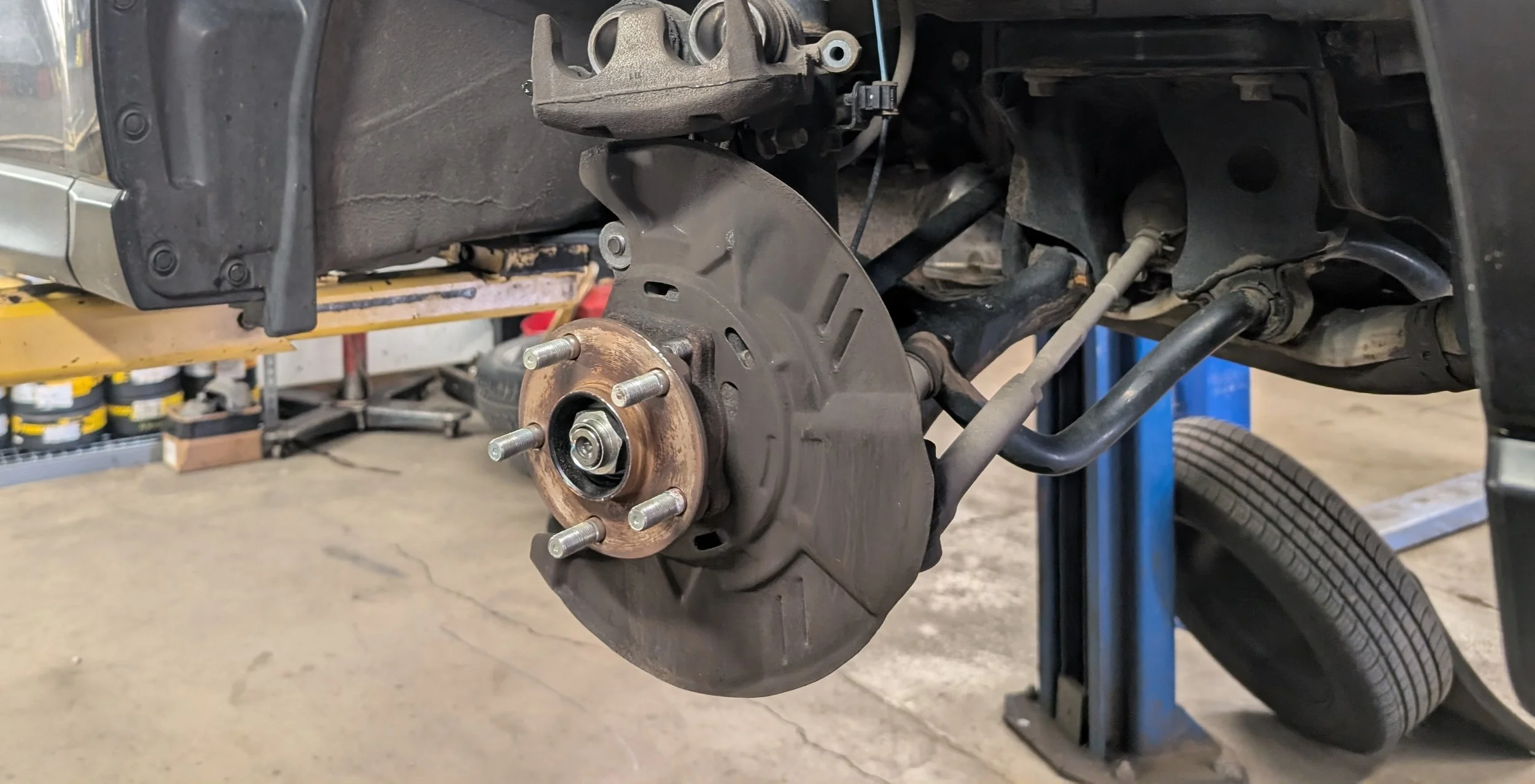
Subaru Brake Repair & ReplacEment in Englewood, CO
Brake problems usually get your attention pretty quickly. A squeak turns into a grind. The steering wheel shakes when you slow down. The pedal feels different than it used to. Or maybe the brakes still work, but something about the stop does not feel right.
Suba Rupair handles Subaru brake repair and replacement in Englewood, CO for drivers from Denver, Littleton, Lakewood, Sheridan, Glendale, and nearby areas. We check the brake pads, rotors, calipers, brake fluid, and related parts before recommending the repair.
Brakes are one of those areas where cheap parts or rushed work can lead to repeat noise, vibration, or uneven wear. We prefer to do the job in a way that gives the car a better chance of staying quiet and braking consistently.
Quick Answer
Suba Rupair repairs and replaces Subaru brakes using OEM Akebono pads and quality Brazilian-made high-carbon rotors.
Common reasons customers come in include squeaking, grinding, shaking while braking, worn pads, scored rotors, soft pedal feel, or longer stopping distance.
We generally install new rotors rather than machining old ones because new rotors give the pads a cleaner surface and reduce the chance of repeat vibration or noise.
Call or text Suba Rupair to schedule Subaru brake service.
Signs Your Subaru May Need Brake Service
Brake wear can show up gradually, but some symptoms should not be ignored.
You may notice:
squeaking or squealing
grinding noises
shaking when braking
steering wheel vibration
soft or spongy brake pedal
longer stopping distance
brake warning light
pulling to one side while braking
burning smell after heavy braking
uneven brake pad wear
grooves or scoring on the rotors
Grinding is one of the bigger warning signs. It can mean the pads are worn too far and the rotors may already be getting damaged.
What We Check During a Brake Inspection
A brake inspection is more than glancing at pad thickness.
Depending on the complaint, we may check:
front and rear brake pad thickness
rotor condition
rotor scoring, rust, or heat damage
caliper function
brake hardware
brake hose condition
brake fluid condition
uneven wear patterns
parking brake function where applicable
wheel bearing, steering, or suspension play if vibration is involved
That last part matters. A Subaru that shakes while braking may have rotor issues, but worn suspension or steering parts can change how the braking feels too.
The Pads and Rotors We Use
For Subaru brake jobs, we use OEM Akebono brake pads and Brazilian-made rotors with a higher-carbon steel formulation.
Akebono pads are a strong fit for Subarus because they tend to give consistent braking feel, good fitment, and fewer noise complaints than cheaper pads. Brake pads affect more than stopping power. They also affect pedal feel, dust, noise, rotor wear, and how the brakes behave after they heat up.
The high-carbon rotors help give the pads a stable braking surface. They can handle heat better than lower-quality rotors and are less likely to create the kind of vibration or noise complaints we see with cheaper brake parts.
That combination costs more than bargain brake parts, but it usually makes more sense for long-term brake feel and reliability.
Why We Usually Replace Rotors Instead of Machining Them
We generally install new rotors instead of machining old ones.
Machining removes material from a rotor that may already be worn, heat-stressed, rusty, or uneven. Even if the rotor can technically be cut, there may not be much benefit if it is already close to its limit or likely to cause vibration again.
New rotors give the new pads a clean, consistent surface. In our experience, that reduces the chance of repeat noise, shaking, or uneven braking after the job is done.
Brake Noise: Squeaking vs. Grinding
Not all brake noises mean the same thing.
A light squeak may come from pad material, brake dust, moisture, hardware, or normal wear. Grinding is more serious. Grinding often means metal is contacting metal, or a pad has worn down far enough that the rotor is being damaged.
If the brakes are grinding, it is better to stop waiting and have them inspected. The longer it goes, the more likely the repair becomes more expensive.
Brake Vibration Is Not Always Just the Rotors
A lot of drivers assume shaking while braking automatically means “warped rotors.” Rotor condition is a common cause, but it is not the only one.
A Subaru can shake or feel unstable while braking because of:
rotor thickness variation or heat spots
uneven pad transfer
caliper issues
worn control arm bushings
worn ball joints or tie rods
uneven tire wear
suspension movement under braking
This is why we pay attention to the whole front end when a customer complains about brake vibration. If the suspension is moving around, new brakes alone may not fix the feel.
Calipers, Brake Fluid, and Other Brake Parts
Pads and rotors are the most common brake service items, but they are not the whole system.
A sticking caliper can cause uneven wear, heat, pulling, burning smell, or one brake wearing out faster than the others. Old brake fluid can affect pedal feel and braking performance. Brake hoses and hardware can also contribute to uneven wear or poor brake operation.
If we see those issues during inspection, we will explain what is happening and whether it should be handled with the brake job.
Brake Repair vs. Brake Replacement
Some brake concerns only need a smaller repair. Others need pads, rotors, calipers, fluid service, or related parts.
The repair depends on what is worn, what is damaged, and what caused the complaint. If the pads are low but the rest of the system looks good, that is one conversation. If the brakes are grinding, the rotors are scored, or a caliper is sticking, the repair changes.
We try to explain what we see clearly so you know what needs attention now and what can be watched.
Why a Subaru-Focused Shop Helps
Subaru brake complaints can overlap with suspension wear, steering play, wheel bearing noise, tire wear, and all-wheel-drive behavior.
Because Suba Rupair works on Subarus every day, we are used to sorting through those overlaps. If the issue is brakes, we will say that. If the brake complaint is partly coming from suspension or another nearby system, we will point that out too.
Schedule Subaru Brake Repair or Replacement
If your Subaru is squeaking, grinding, shaking while braking, or due for brake service, Suba Rupair can inspect it and explain what we find.
We provide Subaru brake repair and replacement in Englewood, CO for drivers throughout Denver, Littleton, Lakewood, Sheridan, Glendale, and the surrounding metro area.
Call, text, or use our contact form to schedule Subaru brake service.
Frequently Asked Brake Service Questions
-
Common signs include squeaking, grinding, shaking while braking, longer stopping distance, soft pedal feel, uneven brake wear, or visible rotor damage. An inspection can confirm whether the pads, rotors, calipers, or fluid need attention.
-
Brake shaking is often related to rotor condition, but worn suspension parts, steering components, wheel bearings, tires, or caliper issues can also affect how the car feels while braking.
-
We generally install new rotors rather than machining old ones. New rotors give the pads a clean surface and help reduce the chance of repeat noise, vibration, or uneven braking.
-
We use OEM Akebono brake pads and quality Brazilian-made high-carbon rotors. This combination gives Subaru owners consistent braking feel, good fitment, better heat stability, and fewer repeat brake complaints than bargain parts.
-
Grinding brakes should be inspected as soon as possible. Grinding can mean the pads are worn too far and may already be damaging the rotors or affecting braking safety.