
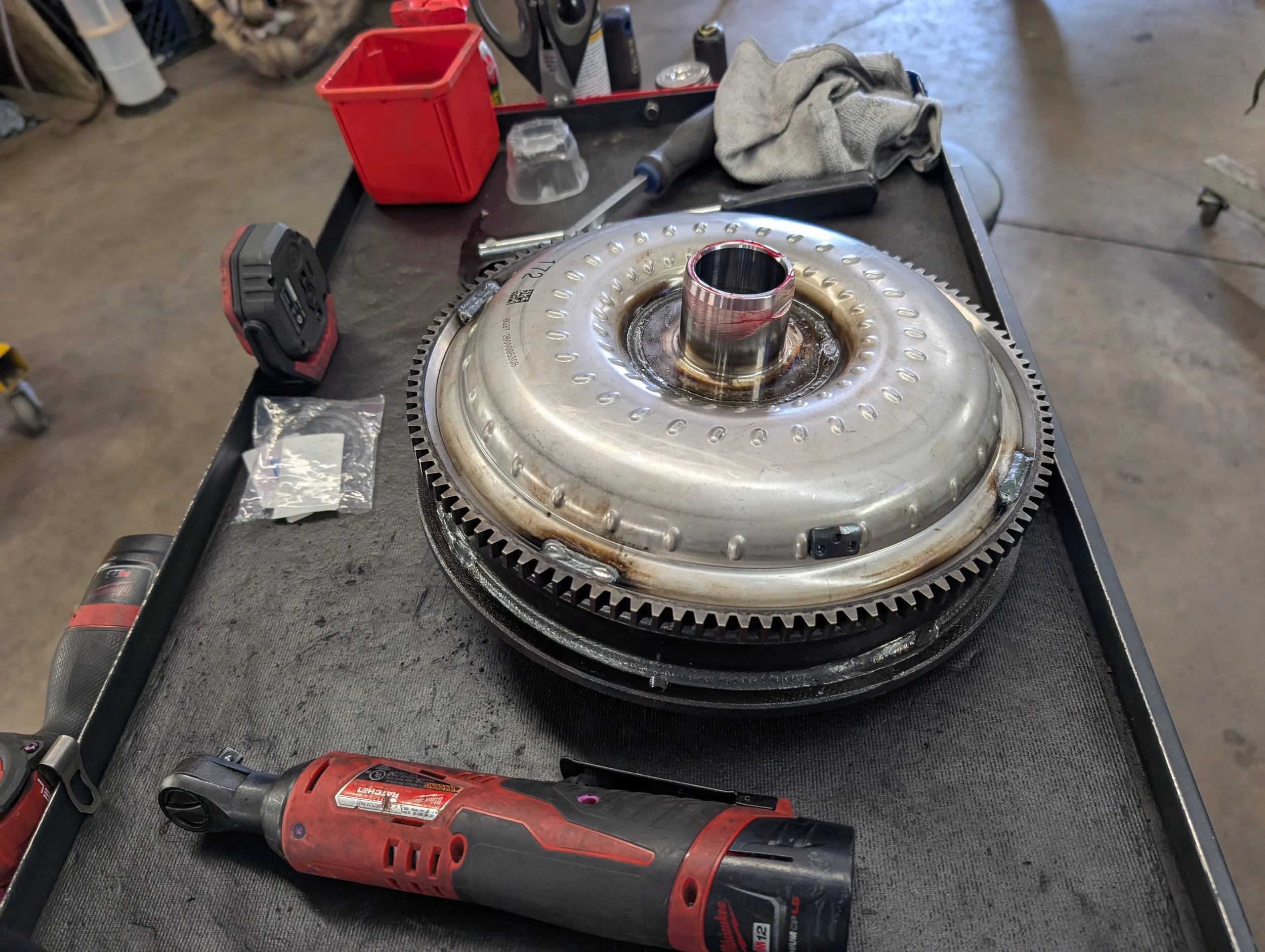
Subaru Clutch Replacement in Englewood, CO
A worn clutch usually changes the way the car feels before it fully fails. Maybe the engine revs but the Subaru does not pull like it should. Maybe first gear or reverse is getting harder to use. Maybe there is a burning smell after hills, traffic, or a hard launch.
Suba Rupair replaces clutches on manual transmission Subarus in Englewood, CO for drivers from Denver, Littleton, Lakewood, Sheridan, Glendale, and nearby areas. We check the clutch symptoms and related parts before recommending the repair, because not every shifting problem is only the clutch.
Quick Answer
Suba Rupair replaces Subaru clutches on manual transmission models when the clutch is worn, slipping, noisy, or no longer engaging correctly.
Common signs include slipping during acceleration, burning clutch smell, grinding while shifting, hard shifts, chatter from a stop, or a clutch pedal that feels different than it used to.
Some clutch complaints can also come from hydraulic problems, the flywheel, release bearing, pilot bearing, clutch fork, or the transmission itself. We inspect the vehicle before calling it a clutch replacement.
Call or text Suba Rupair to schedule a Subaru clutch inspection or replacement.
Signs Your Subaru Clutch May Be Wearing Out
Clutch wear can creep up slowly. A lot of drivers adapt to it without realizing how much the feel has changed.
You may notice:
clutch slipping during acceleration
engine RPM rises but vehicle speed does not match
burning clutch smell
difficulty getting into gear
grinding while shifting
clutch chatter when taking off
vibration from a stop
noise when pressing or releasing the clutch pedal
clutch engages very high or very low
pedal feels soft, stiff, or inconsistent
difficulty getting into first gear or reverse
If the clutch is slipping under load, it is usually not something to ignore for long. It tends to get worse, not better.
Slipping Clutch Symptoms
A slipping clutch often shows up under load. You press the gas, the RPM climbs, but the car does not accelerate the way it should.
This may be most noticeable:
going uphill
accelerating hard
merging onto the highway
carrying extra weight
driving in stop-and-go traffic
after the clutch is already warm
A slipping clutch creates heat. Once it starts slipping badly, the wear can speed up and the smell can get stronger.
Grinding, Hard Shifting, and Poor Engagement
Grinding or hard shifting does not always mean the clutch disc is worn out. The clutch may not be disengaging fully, or there may be a hydraulic issue, worn release bearing, pilot bearing issue, shift linkage concern, or transmission-related problem.
That is why we pay attention to when the symptom happens. Does it grind only going into one gear? Does it happen when cold? Does pumping the clutch pedal change anything? Does reverse grind more than the other gears?
Those details help point us toward the clutch, hydraulics, transmission, or related parts.
What We Check Before Recommending Clutch Replacement
Before recommending a clutch job, we try to confirm that the clutch system is actually the source of the problem.
Depending on the symptom, we may check:
clutch engagement point
pedal feel
slipping under load
shifting behavior
clutch hydraulic system
clutch master and slave cylinder function
signs of fluid leaks
noises from the clutch or transmission area
flywheel condition when accessible
related driveline symptoms
A clutch replacement is enough work that we do not want to guess. If the issue is hydraulic or transmission-related, replacing the clutch alone may not solve the complaint.
What a Subaru Clutch Replacement May Include
The exact repair depends on the model and what we find, but a clutch job may involve:
removing the transmission for access
replacing the clutch disc
replacing the pressure plate
replacing the release bearing / throwout bearing
inspecting the pilot bearing where applicable
inspecting the clutch fork and pivot
checking the flywheel
resurfacing or replacing the flywheel when needed
checking hydraulic components
verifying clutch operation after reassembly
The clutch works as a system. If related parts are worn, noisy, heat-damaged, or close to failing, it is usually better to address them while the car is already apart.
Flywheel and Related Parts Matter
A worn or heat-damaged flywheel can cause chatter, vibration, poor engagement, or repeat clutch complaints.
During a clutch replacement, the flywheel should be inspected carefully. Sometimes resurfacing makes sense. Sometimes replacement is the better option. The right call depends on the surface condition, heat damage, mileage, and the way the old clutch failed.
We also pay attention to parts like the release bearing, pilot bearing, fork, pivot, and hydraulics because they can affect how the new clutch feels and lasts.
Clutch Replacement vs. Transmission Replacement
A clutch replacement is not the same as a transmission replacement.
The clutch is a wear item on manual transmission Subarus. Transmission replacement is a much larger repair and usually involves internal transmission failure or damage.
Some symptoms overlap, especially grinding, noise, or difficulty shifting. If the issue sounds more like an internal transmission problem, we will talk through that before assuming the clutch is the whole story.
Used Manual Subaru Buyers Should Pay Attention
If you are buying a used manual Subaru, clutch feel matters. A slipping clutch, high engagement point, burning smell, chatter, or grinding into gear can change the value of the car quickly.
A seller may say “it just needs an adjustment” or “they all drive like that,” but clutch work can be expensive enough that it should be considered before buying. If the car is being inspected before purchase, we pay close attention to how the clutch engages, how it shifts, and whether there are signs of abuse or wear.
Why a Subaru-Focused Shop Helps
Manual Subaru clutch symptoms can overlap with hydraulic issues, transmission wear, driveline noise, worn mounts, or flywheel problems. A quick test drive may not tell the whole story.
Because Suba Rupair works on Subarus every day, we know what to look for before recommending a clutch replacement. The goal is to repair the actual cause of the complaint and avoid missing related parts while the vehicle is apart.
Schedule Subaru Clutch Replacement
If your manual Subaru is slipping, grinding, hard to shift, smelling like burnt clutch, or engaging poorly, Suba Rupair can inspect it and explain the next step.
We provide Subaru clutch replacement in Englewood, CO for drivers throughout Denver, Littleton, Lakewood, Sheridan, Glendale, and the surrounding metro area.
Call, text, or use our contact form to schedule Subaru clutch inspection or replacement.
Frequently Asked Questions
-
Common signs include slipping under acceleration, burning clutch smell, hard shifting, grinding into gear, chatter from a stop, clutch noise, or a pedal that feels different than normal.
-
A slipping clutch usually gets worse over time. If it is slipping under load, creating a burning smell, or making the car hard to drive safely, it should be inspected before it fails completely.
-
No. Clutch replacement is for the wear components that connect the engine to a manual transmission. Transmission replacement is a larger repair for major internal transmission failure or damage.
-
The clutch disc, pressure plate, release bearing, pilot bearing where applicable, flywheel, clutch fork, pivot, and hydraulic components may all need to be checked.
-
Grinding can come from clutch wear, incomplete clutch disengagement, hydraulic problems, transmission wear, or related driveline issues. Diagnosis helps separate a clutch problem from a transmission problem.