
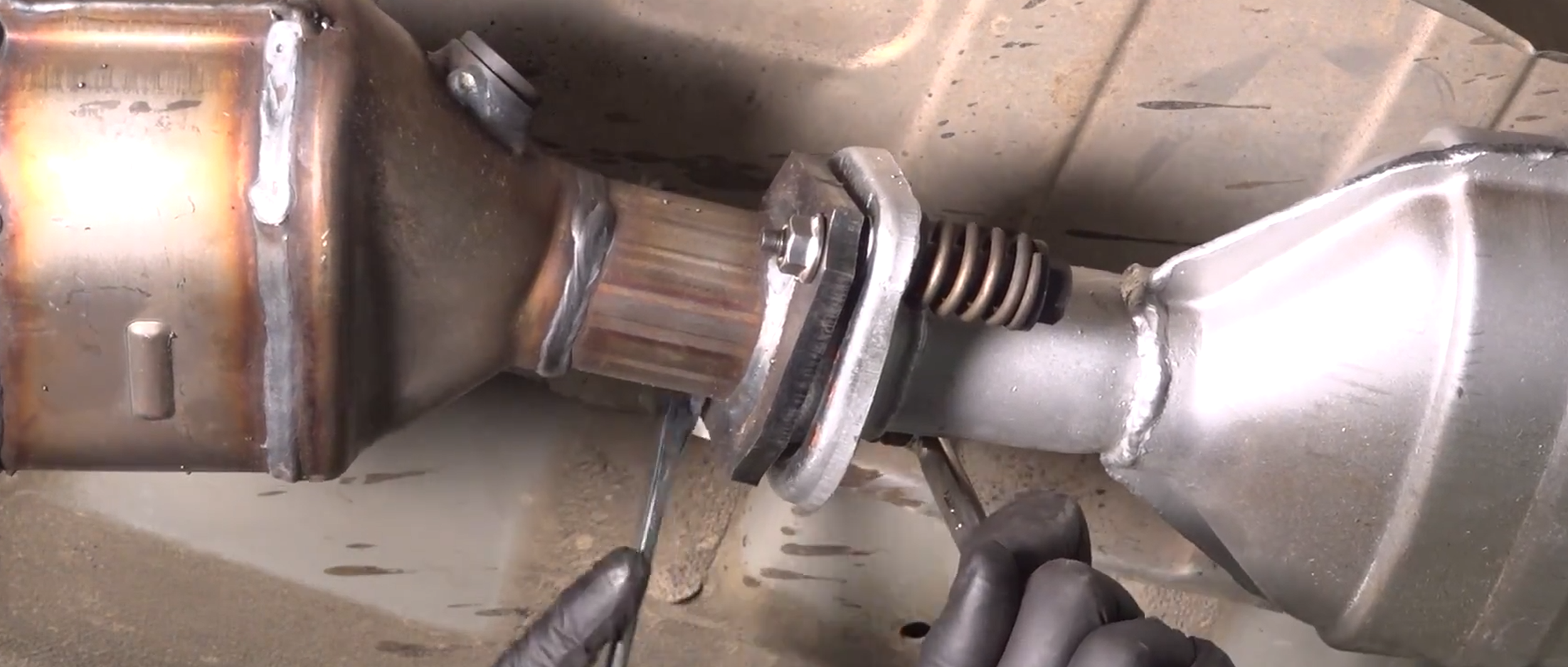
Subaru Catalytic Converter Diagnosis & Repair in Englewood, CO
A catalytic converter code can make people assume the repair is obvious. Sometimes the converter is the problem. Sometimes the code is only part of the story.
Suba Rupair handles Subaru catalytic converter diagnosis and repair in Englewood, CO for drivers from Denver, Littleton, Lakewood, Sheridan, Glendale, and nearby areas. We look at catalyst efficiency codes, emissions concerns, exhaust restriction symptoms, sensor data, engine performance, and related Subaru failure patterns before recommending converter replacement.
Catalytic converters can be expensive, so we do not like guessing on them. A P0420-style code may point toward the converter, but exhaust leaks, oxygen sensor issues, misfires, fuel mixture problems, or oil consumption can complicate the picture.
Quick Answer
Suba Rupair diagnoses Subaru catalytic converter concerns, including P0420-style codes, catalyst efficiency problems, failed emissions issues, exhaust restriction symptoms, and emissions-related check engine lights.
A catalytic converter may need replacement if testing points to a failed, damaged, restricted, or inefficient converter.
Before replacing it, we look for issues that may have caused or mimicked the converter problem, such as exhaust leaks, sensor problems, misfires, fuel trim issues, or oil consumption.
Call or text Suba Rupair to schedule Subaru catalytic converter diagnosis or repair.
Signs of a Catalytic Converter Problem
Catalytic converter issues often show up through the check engine light before the car feels dramatically different.
You may notice:
check engine light
P0420-style catalyst efficiency code
failed emissions test
rotten-egg or sulfur smell
poor acceleration
reduced power
rattling from the exhaust
exhaust restriction symptoms
poor fuel economy
repeated oxygen sensor or emissions codes
the same converter code returning after being cleared
Some Subarus drive normally with a catalyst efficiency code. Others may feel sluggish, smell strange, or show signs of restriction. The symptoms help guide how far we need to look.
A P0420 Code Does Not Always Mean “Replace the Cat”
A P0420-style code usually means the computer is seeing catalyst efficiency below the expected range. That points us toward the catalytic converter system, but it does not automatically prove the converter is the only failed part.
This is where quick code scans can be misleading. A parts-store scan may show the code, but it will not tell you whether an exhaust leak, sensor issue, misfire, fuel mixture problem, or oil consumption contributed to the failure.
If the converter is truly worn out, replacement may be needed. We still want to understand why the code showed up before installing an expensive part.
What We Check Before Recommending Replacement
Before calling a catalytic converter bad, we try to understand what the Subaru is doing and whether anything else is affecting the emissions system.
Depending on the symptoms, we may check:
current and stored trouble codes
freeze-frame data when useful
readiness monitor status
oxygen sensor and air/fuel sensor behavior
fuel trims
misfire data
exhaust leaks
visible exhaust damage
signs of exhaust restriction
oil consumption concerns
wiring or connector issues near related sensors
previous repair history
The point is to avoid replacing a converter when another issue is creating the same code or setting the new converter up to fail again.
Exhaust Leaks and Sensor Problems
Exhaust leaks can affect oxygen sensor readings, especially if the leak is near the sensor or upstream of the converter. A small leak can sometimes make the data look worse than the converter itself.
Sensors can also complicate the diagnosis. An oxygen sensor or air/fuel sensor may be slow, contaminated, damaged, or affected by wiring issues. That does not mean every converter code is a sensor problem, but the sensors are part of the story.
If the data does not make sense, we want to know why before replacing parts.
Misfires, Fuel Trim, and Oil Consumption
The catalytic converter lives downstream from the engine, so engine problems can affect it.
Misfires can send unburned fuel into the exhaust. Fuel mixture problems can make the converter work harder than it should. Oil consumption can contaminate the catalyst over time. Coolant contamination or overheating history can also matter in some cases.
This is especially important if a Subaru has repeated catalyst codes or has already had converter work done before. A new converter will not last as long if the engine is still creating the same conditions that damaged the old one.
Exhaust Restriction Symptoms
A restricted catalytic converter can make the Subaru feel like it is being held back. Acceleration may feel weak, the engine may struggle under load, or the car may feel worse as exhaust flow demand increases.
Restriction is different from a simple efficiency code. A converter can trigger an efficiency code without being fully plugged. A restricted converter can affect drivability more directly.
If the symptoms point toward restriction, we treat that differently than a code-only complaint.
Catalytic Converter Repair vs. Exhaust Repair
Catalytic converter diagnosis overlaps with the exhaust system, but it is a different starting point than general exhaust repair.
If the Subaru is loud, rattling, leaking exhaust, or has rusted pipes or muffler damage, the Subaru exhaust repair page is usually the better fit.
If the issue is a P0420-style code, failed emissions concern, catalyst efficiency code, or suspected restriction, this catalytic converter page is the better fit.
Catalytic Converter Concerns on Used Subarus
Catalytic converter codes matter during used Subaru inspections. A seller may clear the code before showing the car, or the readiness monitors may not be complete yet after a reset.
If the converter code comes back after purchase, the repair can be expensive. That is why we pay attention to stored codes, recently cleared codes, readiness monitors, exhaust leaks, oil consumption, and how the Subaru runs during a pre-purchase inspection.
A clean dashboard is not always the whole story.
Why Subaru Experience Helps
Subaru catalyst codes can overlap with exhaust leaks, oxygen sensor behavior, oil consumption, misfires, fuel trim problems, and general engine condition.
Because Suba Rupair works on Subarus every day, we are used to looking past the code itself. Sometimes the converter is bad. Sometimes the converter is only where the symptom shows up.
Schedule Subaru Catalytic Converter Diagnosis or Repair
If your Subaru has a P0420-style code, emissions-related check engine light, failed emissions concern, rotten-egg smell, poor acceleration, or suspected converter restriction, Suba Rupair can inspect it and explain what we find.
We provide Subaru catalytic converter diagnosis and repair in Englewood, CO for drivers throughout Denver, Littleton, Lakewood, Sheridan, Glendale, and the surrounding metro area.
Call, text, or use our contact form to schedule Subaru catalytic converter diagnosis or repair.
Frequently Asked Catalytic Converter Diagnostic & Repair Questions
-
No. A catalyst efficiency code may mean the converter is failing, but exhaust leaks, oxygen sensor issues, misfires, fuel mixture problems, oil consumption, or wiring issues can also affect the diagnosis.
-
A P0420-style code usually means the system is seeing catalyst efficiency below the expected range. It points toward the catalytic converter system, but the cause still needs to be checked before replacing parts.
-
It depends on how the Subaru is running. If it drives normally, it may not be an immediate safety issue, but it should still be diagnosed. If the car has poor acceleration, overheating, misfires, strong smells, or flashing warning lights, have it checked sooner.
-
Misfires, oil consumption, rich fuel mixture, coolant contamination, overheating, and some exhaust or sensor problems can shorten catalytic converter life or cause repeat codes.
-
Yes. Catalytic converters are expensive, so we check related sensors, exhaust leaks, scan data, engine performance, oil consumption, and other possible contributors before recommending replacement.