
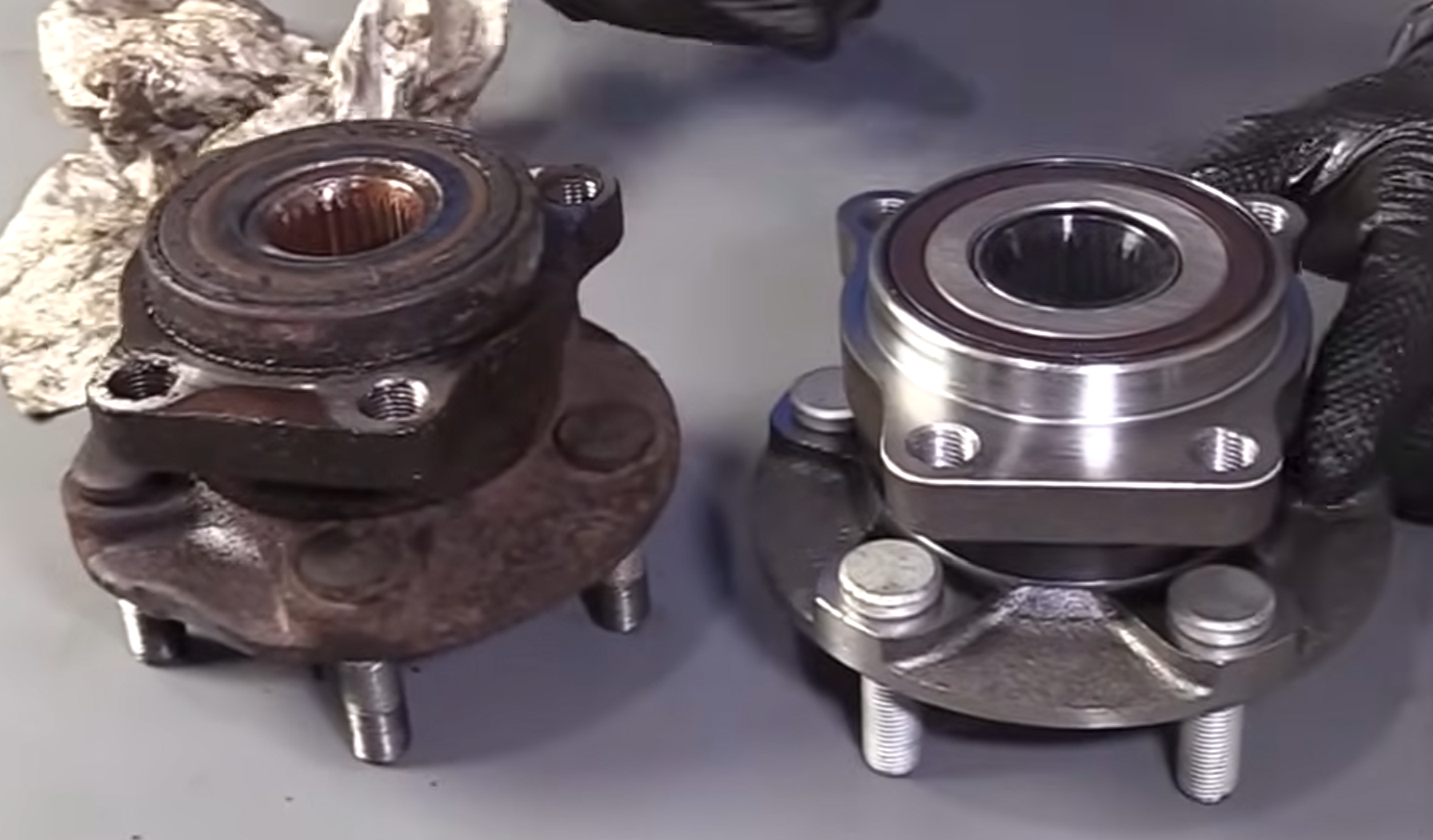
Subaru Wheel Bearing Replacement in Englewood, CO
A bad wheel bearing usually starts as a noise you can barely hear. Then one day, it is loud enough that you turn the radio down and start wondering what is going on.
Suba Rupair replaces Subaru wheel bearings in Englewood, CO for drivers from Denver, Littleton, Lakewood, Sheridan, Glendale, and nearby areas. If your Subaru has a humming, growling, grinding, or roaring sound that changes with speed, a worn wheel bearing may be the cause.
The tricky part is that bearing noise can sound a lot like tire noise, differential noise, or other drivetrain sounds. We do not like guessing on these. We inspect the vehicle, listen to how the noise changes, and look at the surrounding parts before recommending replacement.
Quick Answer
If your Subaru has a humming, growling, grinding, or roaring noise that gets louder with speed, it may have a bad wheel bearing.
A wheel bearing can also make noise that changes when turning, especially when the vehicle’s weight shifts from one side to the other. That said, tires, differentials, brakes, and suspension parts can sometimes create similar sounds.
We replace Subaru wheel bearings when the inspection points to the bearing as the source of the noise or looseness.
Call or text Suba Rupair to schedule a wheel bearing inspection or replacement.
What a Bad Wheel Bearing Usually Sounds Like
Most wheel bearing complaints start with noise.
Customers often describe it as:
humming
growling
grinding
roaring
a loud road-noise sound
a noise that gets worse with speed
a noise that changes when turning
Sometimes the sound seems like it is coming from one side of the car. Other times, it is hard to tell from inside the cabin because noise can travel through the body of the vehicle.
If the sound is getting louder over time, it is worth having it checked.
Why Wheel Bearing Noise Can Fool People
Wheel bearing noise is one of those sounds that can be easy to misread. A cupped tire can hum. A differential can whine. A brake issue can grind. Road surface can make a car sound worse than it really is.
That is why we pay attention to when the noise happens.
Does it change with speed?
Does it get louder when turning one direction?
Does it sound different under load?
Is there vibration or looseness?
Are the tires worn unevenly?
Those details help separate a wheel bearing from other Subaru drivetrain or tire issues.
What We Check Before Replacing a Wheel Bearing
Before recommending a wheel bearing, we try to confirm the source of the symptom.
Depending on what the vehicle is doing, we may check:
how the noise changes during a test drive
whether the noise changes with speed
whether the noise changes when turning
looseness or play at the wheel
roughness in the bearing
tire condition and wear pattern
nearby suspension and steering parts
brake components near the wheel
ABS or wheel-speed sensor concerns when relevant
differential or drivetrain noises that could sound similar
The goal is simple: replace the bearing if the bearing is actually the problem.
Front vs. Rear Wheel Bearings
Subaru wheel bearings can fail at the front or rear. It is not always obvious from the driver’s seat which one is making noise.
A rear bearing can sound like it is coming from the front. A front bearing can echo through the cabin. Road noise and tire wear can make the picture even less clear.
That is why we inspect the vehicle rather than relying only on where the sound seems to be coming from.
Wheel Bearings, Tires, and Suspension
Wheel bearing symptoms can overlap with tire and suspension problems. Uneven tire wear, cupped tires, worn suspension parts, and alignment issues can all create noise or vibration.
If the tire or suspension is contributing to the sound, replacing a wheel bearing may not solve the issue. When we inspect the bearing, we also pay attention to the surrounding parts so we are not missing the real cause.
Wheel Bearing Noise vs. Differential Noise
Subarus are all-wheel-drive vehicles, so drivetrain noises deserve a careful listen.
A bad wheel bearing often makes a humming or growling sound that changes with speed and sometimes changes when turning. Differential noise can also hum or whine, but it may be more tied to acceleration, deceleration, or load.
There is overlap, so we try to avoid making the call based on sound alone. The inspection matters.
Is Wheel Bearing Replacement Urgent?
It depends on how bad the bearing is.
A faint hum may be something to inspect and plan around. A loud grinding noise, vibration, looseness at the wheel, or noise that is getting worse quickly should be addressed sooner.
Wheel bearings are not just a noise issue. If they wear far enough, they can affect safety, handling, and nearby components. If the sound is getting louder, do not ignore it for too long.
Why Subaru Experience Helps
Subaru wheel bearing noise can overlap with tire wear, brakes, suspension, differential noise, and general drivetrain sounds. Since we work on Subarus every day, we are used to sorting through those possibilities.
That does not mean every noise is obvious right away. It means we know what to check before recommending a repair.
Schedule Subaru Wheel Bearing Replacement
If your Subaru has a humming, growling, grinding, roaring, or speed-related noise, Suba Rupair can inspect it and explain whether a wheel bearing is likely the cause.
We replace Subaru wheel bearings in Englewood, CO for drivers throughout Denver, Littleton, Lakewood, Sheridan, Glendale, and the surrounding metro area.
Call, text, or use our contact form to schedule a Subaru wheel bearing inspection or replacement.
Frequently Asked Wheel Bearing Replacement Questions
-
A bad wheel bearing often sounds like humming, growling, grinding, or roaring that gets louder with speed. The noise may also change when turning.
-
Yes. Cupped tires, uneven tire wear, and certain road surfaces can sound similar to a bad wheel bearing. That is why the tires and nearby components should be inspected too.
-
A faint noise may be something you can plan around, but loud grinding, vibration, looseness, or a noise that is quickly getting worse should be inspected soon. A worn bearing can become a safety issue if ignored.
-
We listen to how the noise changes while driving, check for play or roughness, inspect nearby parts, and compare the symptom against tire, brake, differential, and suspension concerns.
-
It is related to the wheel and hub area, but it is its own specific repair. We still inspect nearby suspension, brake, and tire components because they can create similar symptoms.