
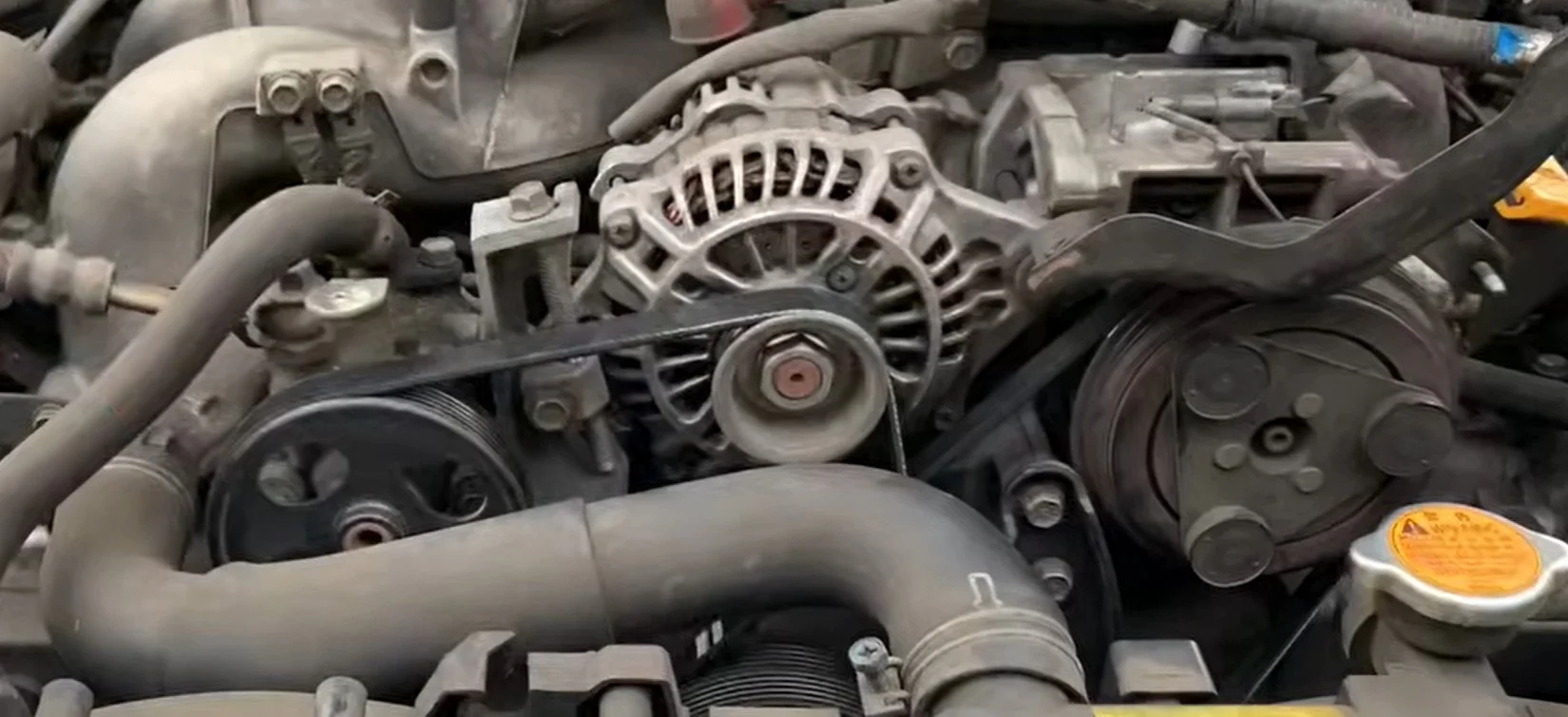
Subaru Belt & Pulley Replacement in Englewood, CO
A squealing belt or noisy pulley is easy to brush off at first. Then the noise gets louder on cold starts, the belt starts cracking, or an accessory stops working the way it should.
Suba Rupair handles Subaru belt and pulley replacement in Englewood, CO for drivers from Denver, Littleton, Lakewood, Sheridan, Glendale, and nearby areas. We check belt condition, pulley noise, tensioner behavior, and related accessory-drive parts before recommending replacement.
Belts and pulleys are smaller parts compared with major engine repairs, but they can still leave you stuck if they fail at the wrong time.
Quick Answer
Suba Rupair replaces Subaru belts, pulleys, tensioners, and related accessory-drive parts when they are worn, noisy, cracked, loose, seized, or close to failure.
Common signs include squealing, chirping, rattling, visible belt cracks, belt glazing, pulley bearing noise, or accessories not working correctly.
If the noise is coming from deeper inside the engine or timing system, the repair may not be a simple belt or pulley issue. We check the source of the noise before recommending parts.
Call or text Suba Rupair to schedule Subaru belt or pulley inspection.
Signs Your Subaru May Need Belt or Pulley Service
Belt and pulley problems often start with a noise.
You may notice:
Squealing on startup
Chirping while the engine is running
Rattling or bearing noise
Visible cracks in the belt
Belt glazing or shiny wear
A loose or wobbling pulley
Burning rubber smell
A/C, charging, or power steering symptoms depending on the model
Warning lights if the belt affects charging
Noise that changes with engine speed
A belt noise should not be ignored for too long. If the belt slips, shreds, or comes off, it can affect systems the vehicle depends on.
What We Check First
A belt squeal does not always mean the belt itself is the only problem.
Depending on the symptom, we may check:
Belt condition
Belt tension
Belt alignment
Idler pulleys
Tensioner pulleys
Pulley bearing noise
Accessory pulley movement
Charging-system behavior if relevant
Signs of oil or coolant contamination on the belt
Whether the noise changes with engine speed
Related components driven by the belt
Sometimes the belt is worn out. Sometimes the belt is only making noise because a pulley, tensioner, or accessory is not turning correctly.
Belt Noise on Startup
A squeal on startup is one of the most common belt complaints.
Cold starts can make a weak belt or pulley noise more obvious. Moisture, worn belt material, poor belt tension, or pulley wear can all contribute.
If the sound goes away after a few seconds, it may be tempting to ignore it. That can be reasonable for a short time, but if the noise keeps coming back or gets louder, it is better to have it checked.
Pulley Bearing Noise
Pulleys can wear out even when the belt still looks decent.
A failing pulley bearing may create a chirp, whine, grind, or rattling sound. The noise may change with engine speed. In some cases, a pulley can wobble or seize.
If a bad pulley is left alone, it can damage the belt or cause the belt to come off. That is why we look at the pulleys and tensioner, not just the belt surface.
Tensioners and Belt Alignment
The belt needs the right tension and alignment to run correctly.
A weak tensioner can let the belt slip or chatter. A pulley that is not aligned correctly can wear the belt unevenly or create noise. If the belt keeps making noise after replacement, the issue may be with the tensioner, pulley, or an accessory the belt is driving.
We try to find the reason the belt is noisy instead of just replacing the belt and hoping it stays quiet.
Oil or Coolant on the Belt
Belts do not like oil or coolant.
If an oil leak or coolant leak gets onto the belt, it can cause slipping, noise, swelling, cracking, or premature wear. In that case, replacing the belt may only be a temporary fix unless the leak is also handled.
This is where belt service can overlap with oil leak repair or cooling system service. If we see contamination on the belt, we will explain where it appears to be coming from.
Belt and Pulley Replacement vs. Timing Components
Accessory belts and pulleys are different from internal timing components.
This page is focused on external belts, idler pulleys, tensioners, and related accessory-drive concerns. If the noise appears to be coming from the timing cover area or a deeper engine component, the next step may be a different inspection.
That distinction matters because an external belt noise may be a fairly simple repair, while timing-related issues can be much more involved.
When Replacement Makes Sense
Replacement may make sense when the belt is cracked, glazed, noisy, slipping, contaminated, or near the end of its life.
Pulley or tensioner replacement may be recommended if there is bearing noise, wobble, roughness, weak tension, or signs that the pulley is causing belt wear.
We try to replace the parts that are actually causing the problem. If the belt is worn but the pulleys are quiet and stable, that is one situation. If a pulley is failing and has damaged the belt, the repair changes.
Why a Subaru-Focused Shop Helps
Subaru belt and pulley concerns can overlap with A/C compressor noise, alternator concerns, charging problems, oil leaks, coolant leaks, and timing cover area noises.
Because Suba Rupair works on Subarus every day, we are used to sorting out whether the sound is a simple belt issue, a pulley bearing, an accessory problem, or something deeper in the engine.
Schedule Subaru Belt or Pulley Replacement
If your Subaru has a squealing belt, chirping noise, rattling pulley, cracked belt, burning rubber smell, or accessory-drive concern, Suba Rupair can inspect it and explain what we find.
We provide Subaru belt and pulley replacement in Englewood, CO for drivers throughout Denver, Littleton, Lakewood, Sheridan, Glendale, and the surrounding metro area.
Call, text, or use our contact form to schedule Subaru belt or pulley service.
Frequently Asked Belt and Pulley Replacement Questions
-
A squeal on startup may come from a worn belt, weak tensioner, pulley bearing, moisture, belt glazing, or a belt that is slipping. If the noise keeps coming back, it should be inspected.
-
A bad pulley may chirp, grind, rattle, wobble, or make noise that changes with engine speed. A pulley bearing can also feel rough or loose during inspection.
-
A brief squeal may not mean immediate failure, but a belt that keeps squealing, smells like burning rubber, shows cracks, or is slipping should be checked. If the belt fails, it can affect charging or other accessories.
-
No. This page is focused on external belts and pulleys. Timing belt or timing component service is a different repair and may involve deeper engine access depending on the Subaru model.
-
Yes. Oil or coolant on a belt can cause slipping, noise, swelling, cracking, or early failure. If the belt is contaminated, the leak source may also need attention.