
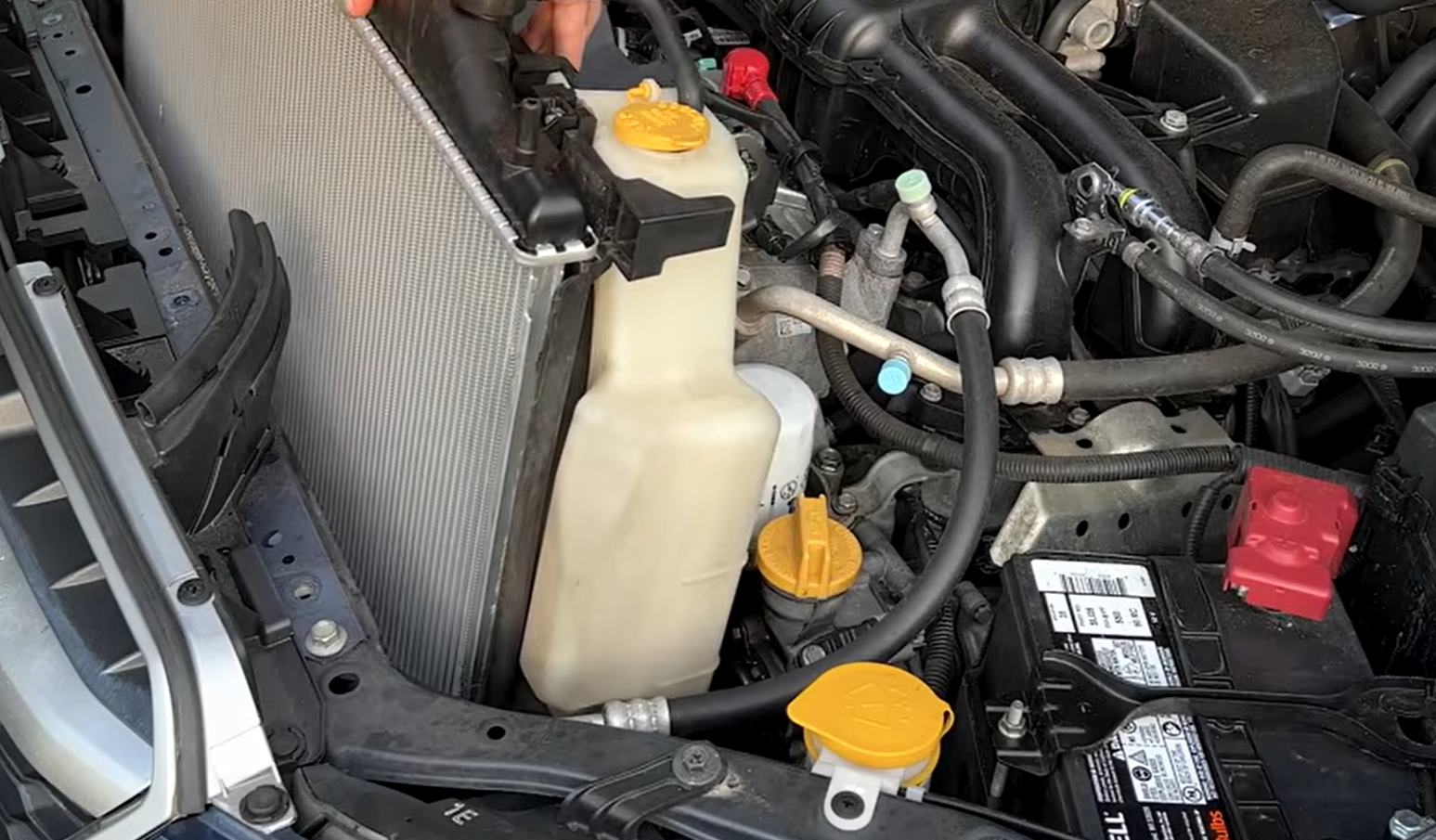
Subaru Cooling System Service in Englewood, CO
Cooling system problems usually start with a warning sign. The temperature gauge creeps higher than normal. You smell coolant after parking. The heater acts strange. Or the coolant level keeps dropping even though you do not see a puddle.
Suba Rupair handles Subaru cooling system service in Englewood, CO for drivers from Denver, Littleton, Lakewood, Sheridan, Glendale, and nearby areas. We inspect overheating concerns, coolant leaks, coolant loss, radiator issues, thermostat problems, water pump concerns, hoses, fans, pressure behavior, and related cooling-system symptoms.
Cooling problems are worth taking seriously. Once a Subaru overheats, a small leak, failing water pump, stuck thermostat, or other cooling-system issue can turn into a much bigger engine conversation.
Quick Answer
Suba Rupair diagnoses Subaru cooling system problems involving overheating, coolant loss, coolant smells, radiators, thermostats, water pumps, hoses, fans, pressure caps, and related leaks.
If your Subaru is actively overheating, do not keep driving it. Pull over safely and have it checked before risking engine damage.
Not every overheating or coolant-loss issue is a head gasket problem. We check the cooling system first, then recommend head gasket testing only when the symptoms point that direction.
Call or text Suba Rupair to schedule Subaru cooling system service.
Common Cooling System Problems We See
Cooling issues can show up in different ways. Sometimes the car overheats right away. Other times, the only clue is a faint sweet smell or coolant that slowly disappears.
Some common signs include:
overheating
temperature gauge running higher than normal
coolant smell after driving
visible coolant leak
low coolant level
steam from the engine bay
repeated coolant top-offs
dried coolant residue
heater not working correctly
cooling fans not turning on
bubbles or pressure in the cooling system
If the car is running hot, it is better to stop driving than to “just make it home.” A short drive while overheating can create damage that costs a lot more than the original cooling problem.
What We Check First
Cooling system diagnosis starts with the basics. We want to know whether the engine is losing coolant, failing to circulate coolant, building pressure, trapping air, or not moving enough air through the radiator.
Depending on the symptom, we may check:
coolant level and condition
visible leaks
radiator condition
Water pump noise or leak concerns
thermostat operation
radiator cap or pressure cap
coolant hoses
heater hoses
cooling fans
water pump area
coolant crossover area
air pockets
pressure behavior
overheating history
signs that could point toward head gasket involvement
The exact inspection depends on what the Subaru is doing. A car that overheats at idle may point us in a different direction than one that runs hot on the highway or loses coolant over several days.
Coolant Leaks and Coolant Loss
Coolant leaks are not always obvious. Sometimes coolant leaves a puddle. Sometimes it evaporates on hot parts and leaves only residue or a sweet smell.
Leaks can come from hoses, radiator tanks, clamps, seals, thermostat areas, water pump areas, coolant crossover components, or other cooling-system connections. If the coolant level keeps dropping, the source needs to be found.
Low coolant can create air pockets and temperature swings. It can also make the heater act strange, especially if the system is not staying full.
Overheating Should Not Be Ignored
Overheating can come from a lot of different places: low coolant, radiator problems, thermostat failure, fan issues, pressure cap problems, air pockets, coolant leaks, water pump concerns, or restricted flow.
A single overheating event may not always mean the engine is ruined, but repeated overheating is a serious warning sign. The longer the car is driven hot, the more risk there is of damaging the engine.
We would rather find the cause early than wait until the problem becomes a head gasket or engine repair conversation.
Water Pump Concerns
A water pump helps move coolant through the engine. If it leaks, wears out, or stops circulating coolant properly, the Subaru may start losing coolant or overheating.
Water pump problems can show up as coolant loss, dried coolant residue, noise from the water pump area, overheating, or temperature changes that do not make sense. Sometimes the leak is visible. Other times, the first clue is a low coolant level or overheating complaint.
A bad water pump is not the only reason a Subaru overheats. Thermostat problems, radiator issues, air pockets, pressure cap problems, coolant crossover leaks, hose leaks, fan problems, and head gasket concerns can create similar symptoms.
That is why we look at the whole cooling system before calling it a water pump.
Radiator, Thermostat, Water Pump, Hoses, and Fans
The cooling system depends on several parts working together. If one part is not doing its job, the whole system can struggle.
A radiator may leak, clog, or fail to shed heat properly. A thermostat may stick. A water pump may leak, make noise, or fail to circulate coolant the way it should. Hoses can swell, crack, collapse, or leak at the clamps. Cooling fans may stop turning on when the vehicle is idling or sitting in traffic. A pressure cap that does not hold pressure can also create problems that are easy to overlook.
These are the kinds of things we check before jumping to a major diagnosis.
Coolant Crossover Leaks
Some Subaru coolant leaks come from the coolant crossover area or related seals. These leaks may show up as coolant smell, dried residue, visible wetness, slow coolant loss, or overheating concerns.
If the leak is confirmed at the crossover area, a targeted Subaru coolant crossover repair may be the right fix. If the source is not clear yet, this broader cooling-system inspection is usually the better starting point.
Cooling System Symptoms vs. Head Gasket Concerns
Head gasket concerns can overlap with cooling-system symptoms. Overheating, coolant loss, bubbles in the cooling system, pressure buildup, or repeated air pockets can all raise that question.
But we have also seen Subarus suspected of having bad head gaskets when the real issue was something else, like a thermostat problem or a different coolant leak. That is why we do not like starting with the most expensive explanation.
If the symptoms point toward possible head gasket involvement, we may recommend Subaru head gasket diagnostic testing. If they do not, we keep working through the cooling system first.
Why Subaru Experience Helps
Subaru cooling problems have patterns. Coolant crossover leaks, thermostat issues, radiator concerns, pressure behavior, head gasket worries, and simple hose leaks can all start with similar complaints.
Because Suba Rupair works on Subarus every day, we are used to sorting through those possibilities. We can explain whether the issue looks like a basic cooling-system repair, a specific coolant crossover leak, or something that needs head gasket testing.
Schedule Subaru Cooling System Service
If your Subaru is overheating, losing coolant, smelling like coolant, or showing temperature problems, Suba Rupair can inspect the system and explain what we find.
We provide Subaru cooling system service in Englewood, CO for drivers throughout Denver, Littleton, Lakewood, Sheridan, Glendale, and the surrounding metro area.
Call, text, or use our contact form to schedule Subaru cooling system service.
Frequently Asked Questions
-
A Subaru may overheat because of low coolant, leaks, radiator problems, thermostat failure, cooling fan issues, pressure cap problems, water pump concerns, air pockets, restricted flow, or in some cases head gasket issues.
-
No. If the Subaru is actively overheating, pull over safely and stop driving. Continuing to drive while the engine is hot can cause serious engine damage.
-
Coolant loss may come from hoses, radiator leaks, coolant crossover leaks, water pump areas, pressure issues, or other cooling-system components. If there is no obvious external leak, further testing may be needed.
-
No. Overheating can come from many cooling-system issues. Head gasket concerns are possible in some cases, but we prefer to inspect the cooling system before assuming major engine repair is needed.
-
Cooling system service may include checking coolant level and condition, pressure behavior, visible leaks, radiator condition, thermostat operation, hoses, fans, pressure cap condition, and symptoms related to overheating or coolant loss.
-
Possible signs include overheating, coolant loss, dried coolant residue near the water pump area, noise from the water pump area, temperature swings, or repeated coolant top-offs. Those symptoms can also come from other cooling-system problems, so the source should be checked before replacing the pump.
-
Item descriptionYes. If the water pump is leaking or not circulating coolant properly, the engine can overheat. Low coolant, thermostat problems, radiator issues, air pockets, fan problems, and head gasket concerns can also cause overheating, so the water pump should be checked as part of the full cooling-system inspection.