
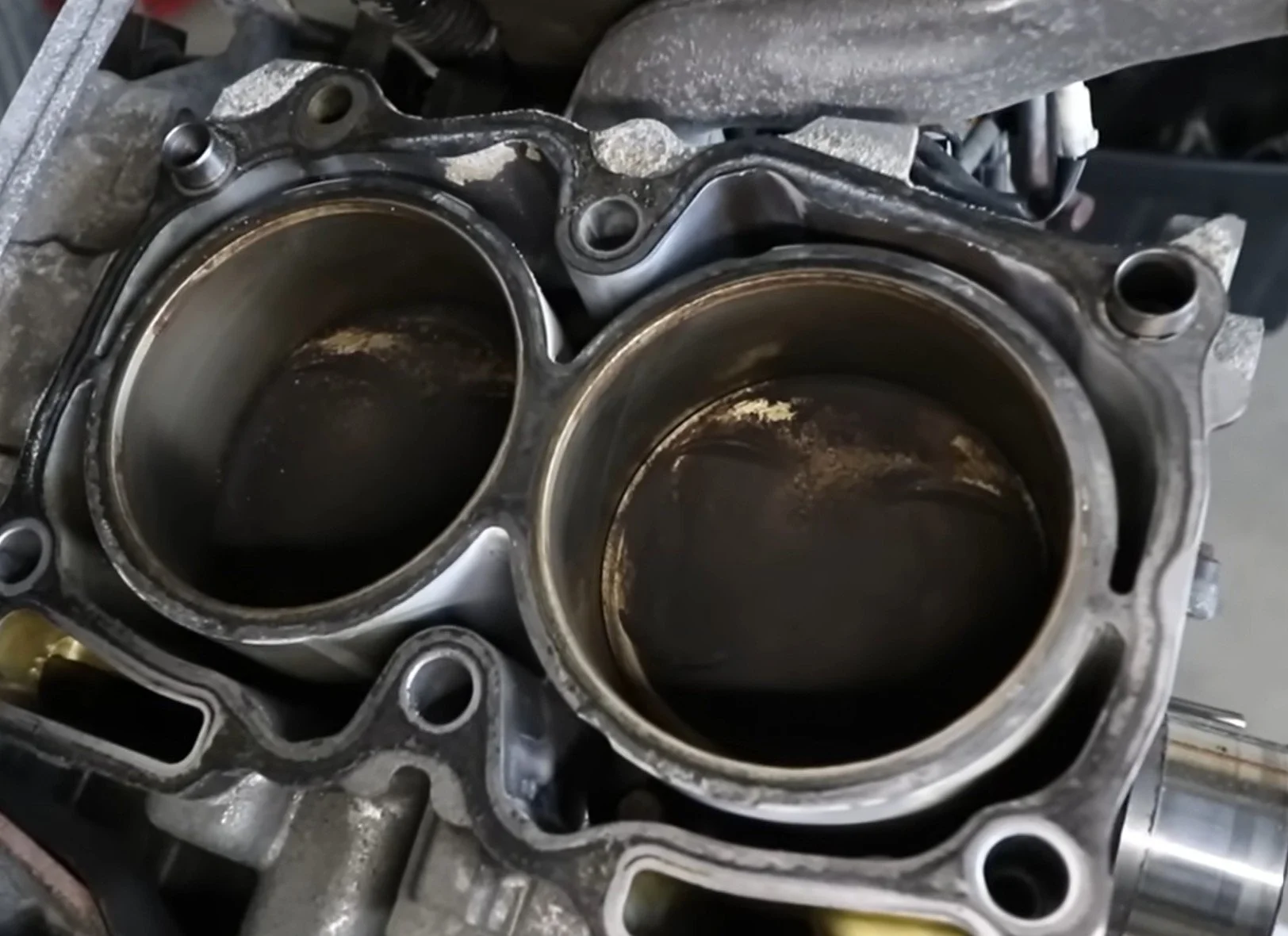
Subaru Head Gasket Diagnostic in Englewood, CO
Being told your Subaru might need head gaskets can be stressful. It is one of those repairs where you want the diagnosis to be right before making a major decision.
Suba Rupair performs Subaru head gasket diagnostics in Englewood, CO for drivers from Denver, Littleton, Lakewood, Sheridan, Glendale, and nearby areas. We check the symptoms, look for leak patterns, and use the appropriate tests to decide whether the head gaskets are actually involved.
We have seen customers come in after another shop told them the head gaskets were bad, only to find the real issue was a thermostat, a cooling system problem, or a different leak. That is why we prefer to double-check before recommending head gasket work.
Quick Answer
Suba Rupair checks suspected Subaru head gasket problems before recommending major repair.
A head gasket concern may involve overheating, coolant loss, pressure in the cooling system, combustion gases in the coolant, external oil or coolant seepage, white exhaust smoke, or oil and coolant contamination.
Depending on the symptoms, we may use leak-down testing, compression testing, cooling system pressure testing, block testing, visual inspection, and related cooling-system checks.
Call or text Suba Rupair to schedule a Subaru head gasket diagnostic.
When to Suspect a Subaru Head Gasket Problem
Head gasket symptoms can show up in different ways. Some are obvious. Some are easy to confuse with other Subaru problems.
Reasons customers often ask about head gasket testing include:
overheating
coolant loss
bubbles in the cooling system
repeated pressure problems
coolant pushing out of the system
external coolant seepage
external oil seepage near the head gasket area
oil and coolant contamination
white exhaust smoke
rough running after startup
misfire-like symptoms
a previous overheating event
another shop recommending head gaskets
Those symptoms deserve attention, but they do not all prove the same thing. A Subaru that is overheating because of a thermostat is a different conversation than one with combustion gases in the cooling system.
Before Calling It Head Gaskets
Head gasket work is expensive enough that we do not want to guess.
Sometimes the car really does need head gaskets. Other times, the symptoms point somewhere else once we inspect it. Cooling system problems, coolant crossover leaks, thermostat issues, radiator problems, pressure cap issues, cam carrier leaks, valve cover leaks, or general oil leaks can all confuse the picture.
If the concern started as a leak, we may need to figure out where the leak begins. Oil and coolant can travel before they drip. With oil leaks especially, we may wash the engine block, have the customer drive the car for a few days to a week, and then recheck it to see whether the leak starts at the head gasket area, cam carrier, valve cover, oil pan, or another seal.
That extra step can prevent the wrong repair.
What We Check During a Head Gasket Diagnostic
The tests depend on what the Subaru is doing. A coolant-loss complaint may need a different approach than an external oil seep or a car that overheated badly.
Depending on the symptoms, we may check:
external oil or coolant seepage near the head gasket area
coolant level and condition
oil condition
cooling system pressure behavior
air pockets or bubbles in the cooling system
signs of overheating history
leak-down test results
compression test results
block test or combustion gas test results
spark plugs for signs of coolant intrusion
related cooling system parts
whether another leak source is more likely
The goal is not to run every test on every car. The goal is to choose the checks that make sense for the symptom.
Leak-Down and Compression Testing
Leak-down and compression testing help us look at cylinder sealing and engine health.
A compression test can show whether a cylinder is building pressure normally. A leak-down test can help show where pressure may be escaping. These tests can be useful when a Subaru has misfire-like symptoms, rough running, suspected internal sealing problems, or a head gasket concern that needs more evidence.
The numbers matter, but they are not the whole story. We look at them alongside coolant behavior, overheating history, visible seepage, and how the vehicle runs.
Cooling System Pressure and Block Testing
Cooling-system testing is often part of head gasket diagnosis when overheating, coolant loss, bubbling, or pressure buildup is involved.
A pressure test can help find leaks and show whether the cooling system is holding pressure. A block test, sometimes called a combustion gas test, can help detect exhaust gases in the coolant. That can be important when the Subaru is pushing coolant, overheating, or building pressure in a way that points toward combustion gases entering the cooling system.
These tests help separate a cooling-system repair from a true head gasket problem.
External Seepage vs. Internal Symptoms
Some Subaru head gasket concerns are mostly external. You may see oil or coolant seepage around the head gasket area, but the car may not be overheating or showing internal symptoms.
Other cases are more serious. Coolant loss, pressure buildup, bubbles in the cooling system, overheating, white smoke, or contamination between oil and coolant can change the urgency of the repair discussion.
That distinction matters. A small external seep may be watched for a period of time. A Subaru that is overheating or pushing coolant needs attention sooner.
When the Problem Is Actually Somewhere Else
This happens often enough that it is worth saying directly: not every suspected head gasket issue is a head gasket issue.
A bad thermostat can cause overheating. A pressure cap can create cooling-system behavior that looks suspicious. A coolant leak can drop the level and make the car run hot. An oil leak from a cam carrier or valve cover can be mistaken for a head gasket leak during a quick inspection.
If we find that the head gaskets are not the likely source, we will point you toward the repair that fits the evidence instead of forcing the problem into a head gasket diagnosis.
When a Head Gasket Reseal Becomes the Next Step
If the inspection and testing point toward head gasket failure, we can explain what we found and whether a head gasket reseal makes sense.
That repair decision should include the whole car, not just the failed gasket. Mileage, maintenance history, overheating history, rust, transmission condition, and other major repairs all matter when deciding whether a Subaru is a good candidate for head gasket work.
If the repair makes sense, the next step is discussing the reseal process, related parts, and what should be handled while the engine is apart.
Why a Subaru-Focused Shop Helps
Subaru head gasket concerns overlap with oil leaks, coolant leaks, cam carrier leaks, cooling-system problems, thermostat issues, and pressure behavior.
Because Suba Rupair works on Subarus every day, we are used to sorting through those patterns. We know why head gaskets get suspected, what can mimic the symptoms, and when testing is worth doing before making a major repair recommendation.
Schedule a Subaru Head Gasket Diagnostic
If you are worried your Subaru may have a head gasket problem, or another shop has recommended head gasket repair, Suba Rupair can inspect it and explain what we find.
We provide Subaru head gasket diagnostics in Englewood, CO for drivers throughout Denver, Littleton, Lakewood, Sheridan, Glendale, and the surrounding metro area.
Call, text, or use our contact form to schedule a Subaru head gasket diagnostic.
Frequently Asked Head Gasket Diagnostic Questions
-
Possible signs include overheating, coolant loss, bubbles or pressure in the cooling system, external oil or coolant seepage near the head gasket area, white exhaust smoke, oil and coolant contamination, or repeated cooling-system problems.
-
Depending on the symptoms, testing may include leak-down testing, compression testing, cooling system pressure testing, block testing for combustion gases, visual inspection, coolant inspection, and checking for signs of overheating history.
-
No. Subaru oil leaks can come from cam carriers, valve covers, oil pan areas, seals, or other parts of the engine. If the main concern is oil spots or burning oil smell, oil leak diagnosis may be the better starting point.
-
Yes. Thermostat problems, radiator issues, coolant leaks, pressure cap problems, air pockets, and coolant crossover leaks can sometimes create symptoms that raise head gasket concerns.
-
It depends on the symptoms. If the Subaru is overheating, losing coolant, running poorly, or showing signs of oil/coolant contamination, it should be inspected as soon as possible. Driving with an active overheating issue can cause more damage.