
Subaru Electrical Diagnostic & Repair in Englewood, CO
Electrical problems can be some of the most frustrating issues on a car. One day the Subaru starts fine. The next day it clicks, drains the battery, loses a light, or has an accessory that works only when it feels like it.
Suba Rupair handles Subaru electrical diagnostic and repair work in Englewood, CO for drivers from Denver, Littleton, Lakewood, Sheridan, Glendale, and nearby areas. We look at the affected system, test the basics first, and work through the likely causes before recommending parts.
A lot of electrical repairs come down to finding the weak point in the circuit. That might be a battery connection, alternator output, a starter issue, a bad ground, a damaged wire, a switch, a relay, or a connector that is not doing its job.
Quick Answer
Suba Rupair diagnoses Subaru electrical problems involving starting, charging, lighting, accessories, wiring, switches, starters, alternators, grounds, fuses, relays, and intermittent faults.
If your Subaru has a weak battery, slow crank, or repeated jump-starts, battery testing may be the better first step. If the issue is one stuck or slow window, our power window repair page may be more specific.
For broader electrical symptoms, we test the affected system before replacing parts.
Call or text Suba Rupair to schedule Subaru electrical diagnostic service.
Electrical Problems We Commonly Check
Subaru electrical issues can show up in a lot of different ways. Sometimes the symptom is constant. Other times it disappears as soon as the car gets to the shop, which makes the owner feel a little crazy.
Some electrical concerns we check include:
no-start problems
slow cranking
clicking when trying to start
repeated dead battery
battery drain after sitting
charging system problems
alternator concerns
starter concerns
flickering lights
headlights, brake lights, or interior lights not working
power locks, mirrors, or accessories not responding
blown fuses
wiring damage
poor grounds
intermittent electrical faults
computer or module communication concerns
Intermittent issues can take more time because the failure has to be tracked when it is actually happening, or when we can reproduce the conditions that cause it.
Start With the Basics
Electrical diagnosis does not always start with the most expensive part. It usually starts with the simple things that can throw everything else off.
We may check battery condition, terminal corrosion, cable condition, alternator output, starter behavior, fuses, relays, grounds, wiring, and connectors. If there are warning lights or stored codes, scan data may also be part of the picture.
A weak battery or bad connection can make several systems act strange at once. That is why we do not want to jump straight to a module, computer, or major component unless the testing points that way.
Starting and Charging Problems
Starting and charging problems are some of the most common electrical complaints.
A Subaru that cranks slowly, clicks, needs jump-starts, or has a battery warning light may have a weak battery, but it could also have an alternator issue, starter problem, bad cable, loose terminal, corroded connection, or ground problem.
If the main issue is slow cranking or a dead battery, we usually start with battery testing. If the battery checks out but the problem continues, the charging and starting systems need a closer look.
Intermittent Electrical Issues
Intermittent electrical problems are harder because they do not always fail on command.
The more detail you can give us, the better. It helps to know whether the problem happens after the car sits overnight, after rain or snow, when the engine is hot, when you hit bumps, or only when certain accessories are on.
For example, a problem that shows up after moisture may point us in a different direction than one that happens only after the car has been sitting for several days. A symptom that appears when driving over bumps may suggest a loose connection or wiring issue.
These details can save diagnostic time.
Wiring, Connectors, Grounds, and Previous Repairs
A lot of electrical issues come from the unglamorous parts of the system: wiring, connectors, fuses, relays, and grounds.
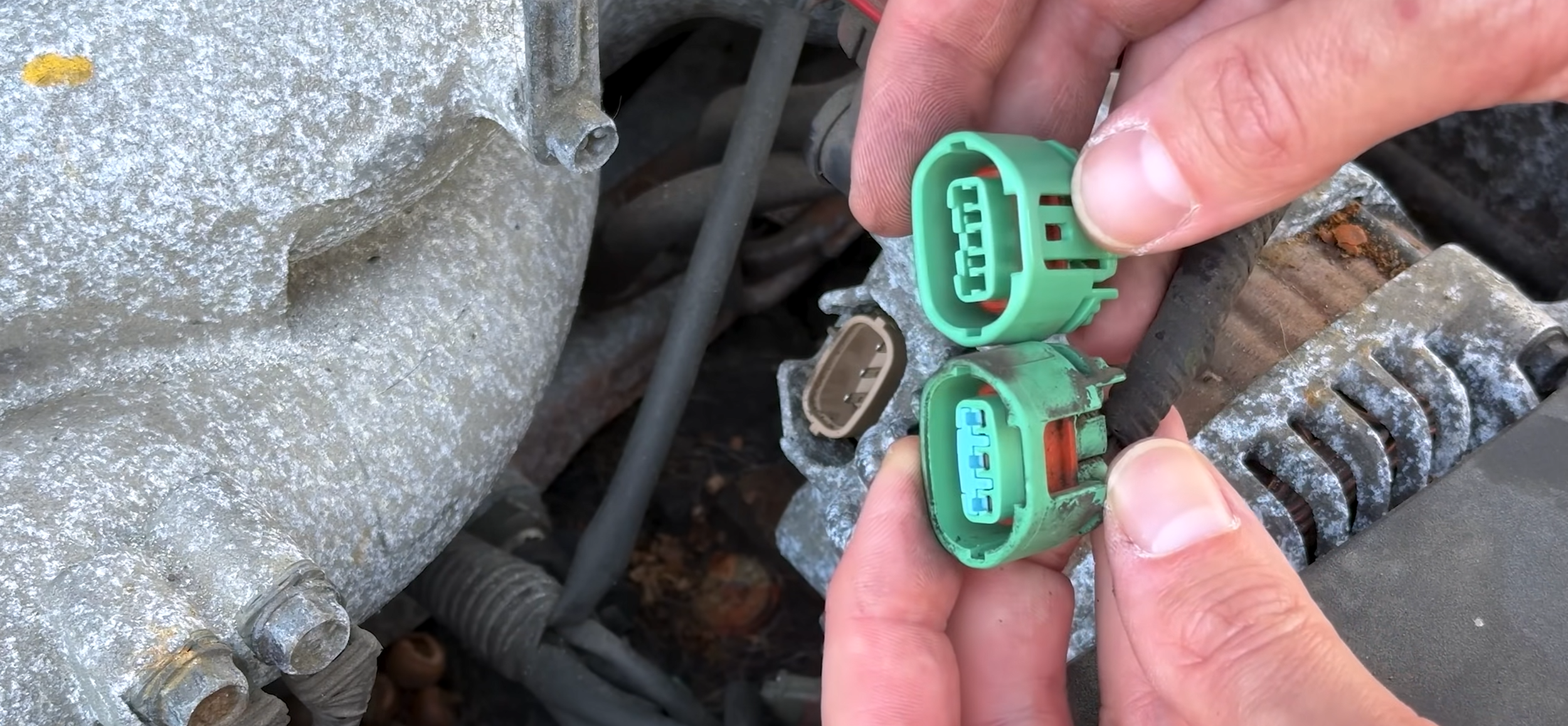
Corrosion, loose connectors, rodent damage, water intrusion, damaged insulation, or poor previous repairs can all create strange symptoms. Sometimes the part everyone suspects is fine, but the circuit feeding it is not.
We pay attention to signs of previous work too. Aftermarket accessories, old repairs, spliced wiring, or poorly routed wires can create problems that show up later.
Lights, Switches, and Accessories
Not every electrical repair involves a no-start problem. Sometimes it is a light, switch, mirror, lock, window, charging port, or other accessory that stops working.
These issues may involve the part itself, but they can also involve the switch, fuse, wiring, connector, or control side of the circuit.
If the problem is only one power window, a power window repair page may be the better fit. If multiple accessories or circuits are acting up, broader electrical diagnosis makes more sense.
Electrical Issues vs. Check Engine Light Issues
Electrical problems and check engine light concerns can overlap, but they are not always the same starting point.
A check engine light usually points toward engine, emissions, sensor, or drivability-related data. An electrical diagnostic is usually more focused on starting, charging, lights, accessories, wiring, grounds, or intermittent circuit problems.
If your Subaru has warning lights plus poor running, shifting issues, or drivability symptoms, we may need to look at scan data along with the electrical side of the system.
Why Subaru Experience Helps
Subaru electrical issues can involve the battery, alternator, starter, sensors, modules, wiring, grounds, and model-specific patterns. Some problems are simple. Some take patience.
Because Suba Rupair works on Subarus every day, we know where to start and what to rule out before replacing parts. That is especially helpful when the symptom is intermittent or when another shop has already thrown parts at the problem.
Schedule Subaru Electrical Diagnostic or Repair
If your Subaru has starting trouble, charging problems, flickering lights, accessory failures, wiring concerns, or intermittent electrical symptoms, Suba Rupair can inspect the affected system and explain what we find.
We provide Subaru electrical diagnostic and repair service in Englewood, CO for drivers throughout Denver, Littleton, Lakewood, Sheridan, Glendale, and the surrounding metro area.
Call, text, or use our contact form to schedule Subaru electrical diagnostic service.
Frequently Asked Electrical Repair Questions
-
A no-start problem can come from the battery, starter, alternator, cables, wiring, fuses, relays, grounds, ignition switch, or another electrical component. Testing helps narrow it down.
-
A battery that keeps dying may be old or weak, but it can also be drained by a charging problem, parasitic draw, loose connection, corrosion, wiring issue, or accessory that is staying on.
-
Usually not. Many electrical problems come from batteries, wiring, grounds, connectors, fuses, relays, switches, or the failed part itself. Module or computer problems are possible, but they should be tested before being blamed.
-
Yes, though they can take more time. It helps if you can describe when the problem happens, such as after sitting, after rain, when the engine is hot, or when driving over bumps.
-
Yes, but battery testing is more specific. If the main concern is slow cranking, jump-starts, or a weak battery, battery testing is usually the best first step.