
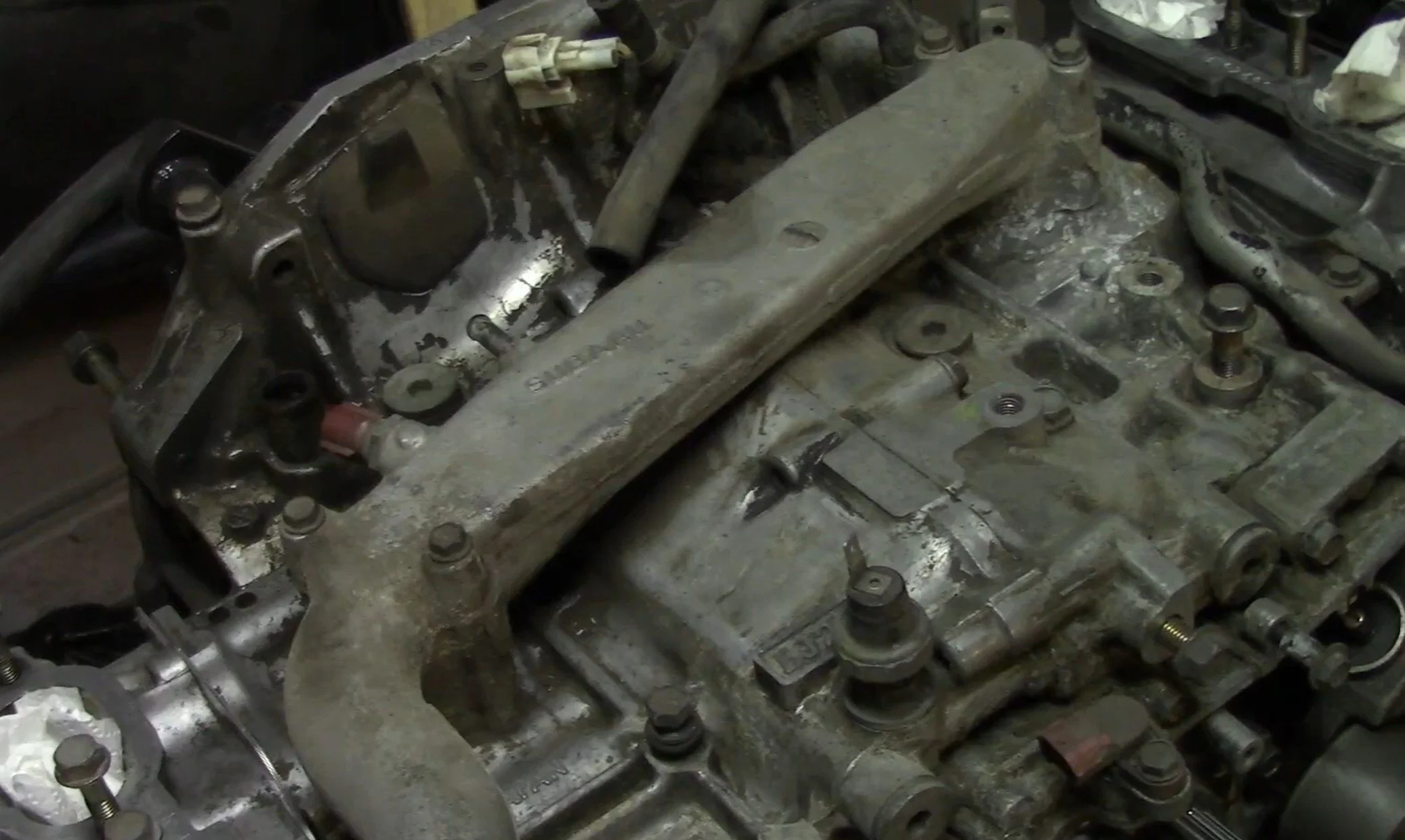
Subaru Coolant Crossover Repair in Englewood, CO
Coolant leaks are not always easy to trace. Sometimes there is a puddle. Other times there is only a sweet smell, a low coolant level, or dried residue around the engine.
Suba Rupair repairs Subaru coolant crossover leaks in Englewood, CO for drivers from Denver, Littleton, Lakewood, Sheridan, Glendale, and nearby areas. If the leak appears to be coming from the coolant crossover pipe, seals, or nearby connections, we can inspect the area and explain whether a targeted crossover repair makes sense.
The important part is confirming the source. Coolant can travel, evaporate, or leave crusty residue away from where the leak actually started.
Quick Answer
Suba Rupair repairs Subaru coolant crossover leaks when the crossover pipe, seals, or related components are the confirmed source of coolant loss or residue.
Signs may include a coolant smell, visible residue near the upper engine, low coolant, repeated top-offs, or overheating concerns.
Coolant leaks can also come from hoses, the radiator, thermostat area, water pump area, pressure cap, or head gasket-related problems. We inspect the system before calling it a coolant crossover leak.
Call or text Suba Rupair to schedule Subaru coolant leak diagnosis or coolant crossover repair.
What Is the Coolant Crossover?
The coolant crossover helps route coolant through part of the engine’s cooling system. Depending on the Subaru model and engine, that area may include a pipe, seals, gaskets, hoses, or nearby connections.
When the crossover area starts leaking, coolant may collect near the top of the engine, leave dried residue, create a sweet smell after driving, or slowly lower the coolant level.
Some leaks are obvious. Others only show up after the engine gets hot or after the system builds pressure.
Signs of a Coolant Crossover Leak
A coolant crossover leak may show up as:
sweet coolant smell after driving
visible coolant residue
low coolant level
repeated need to top off coolant
overheating or temperature changes
steam or vapor from the engine bay
dried coolant crust or staining
wetness near the upper engine
pressure-related cooling system concerns
coolant leak found during inspection
A coolant smell by itself does not prove the crossover is leaking. It just tells us the cooling system needs a closer look.
Why These Leaks Can Be Tricky
Coolant does not always leave a clean trail. It can dry on hot parts, run along seams, or get blown around while driving.
That can make the leak look like it is coming from one place when it started somewhere else. A crossover leak may look like a hose leak. A hose leak may leave residue near the crossover. A pressure issue may make a small seep show up only under certain conditions.
This is one of those repairs where we want to see the pattern before replacing parts.
What We Check Before Calling It a Crossover Leak
Depending on the symptoms, we may check:
coolant level and condition
dried coolant residue
crossover pipe and sealing areas
nearby hoses and clamps
thermostat-related areas where applicable
radiator cap or pressure cap condition
cooling system pressure behavior
evidence of overheating
leak paths that may mimic a crossover leak
signs that point toward a broader cooling system issue
The goal is to confirm whether the crossover area is the source or whether the leak is coming from a nearby cooling system component.
Coolant Crossover Repair vs. General Cooling System Service
Coolant crossover repair is a specific repair. It focuses on the crossover pipe, seals, gaskets, or related components.
General cooling system service is broader. That may involve the radiator, thermostat, hoses, fans, pressure cap, coolant condition, water pump area, overheating diagnosis, or coolant loss with no clear source.
If the leak source is unclear, a broader cooling system inspection may be the better first step. If the crossover area is confirmed, then a targeted repair is more appropriate.
Coolant Leaks vs. Head Gasket Concerns
Some coolant symptoms raise head gasket concerns, especially if the Subaru is overheating, building pressure in the cooling system, pushing coolant, or losing coolant without an obvious external leak.
A coolant crossover leak is different from a head gasket issue. Still, the symptoms can overlap enough that we do not want to assume. If the pattern points toward possible head gasket involvement, we may recommend head gasket diagnostic testing before discussing major repair.
This is similar to oil leak work: the label matters. A coolant leak should be traced before turning it into a bigger diagnosis.
Why Coolant Leaks Should Be Checked
A small coolant leak can seem harmless until the level drops enough to cause overheating.
Low coolant can create air pockets, temperature swings, heater problems, or overheating. Once a Subaru overheats, the repair conversation can get more serious.
If the coolant level keeps dropping, if you smell coolant often, or if the car has already run hot, it is worth getting the source checked.
Related Items We May Look At
When we are already inspecting or repairing the coolant crossover area, we may look at nearby parts that can affect the repair or create similar symptoms.
That may include:
coolant hoses
clamps
thermostat-related parts
radiator cap or pressure cap
coolant condition
nearby seals or gaskets
signs of overheating history
other visible cooling system leaks
We are not trying to turn a small repair into a large one. We just do not want to miss a nearby issue that could bring the car back for the same symptom.
Why Subaru Experience Helps
Subaru coolant leaks can be easy to mislabel. A crossover leak, hose leak, thermostat-area leak, radiator issue, or head gasket concern can all start with the same customer complaint: “I smell coolant” or “my coolant keeps getting low.”
Because Suba Rupair works on Subarus every day, we are used to checking these patterns before recommending the repair.
Schedule Subaru Coolant Crossover Repair
If your Subaru has a coolant smell, visible coolant residue, low coolant, overheating concern, or a suspected coolant crossover leak, Suba Rupair can inspect the system and explain what we find.
We repair Subaru coolant crossover leaks in Englewood, CO for drivers throughout Denver, Littleton, Lakewood, Sheridan, Glendale, and the surrounding metro area.
Call, text, or use our contact form to schedule Subaru coolant leak diagnosis or coolant crossover repair.
Frequently Asked Coolant Crossover Pipe Repair Questions
-
Potential signs include coolant smell, dried coolant residue near the upper engine, low coolant, repeated coolant top-offs, overheating concerns, or coolant leak evidence found during inspection.
-
No. A coolant crossover leak involves the crossover pipe, seals, gaskets, or related cooling system connections. A head gasket issue is a different problem and may require separate diagnostic testing.
-
It depends on the severity. A small seep may be monitored briefly, but any leak that causes low coolant, overheating, steam, or repeated top-offs should be inspected sooner.
-
A sweet coolant smell usually means coolant is leaking or evaporating on hot engine components. The source may be the crossover area, a hose, radiator, thermostat area, water pump area, or another cooling system part.
-
We look for residue, wetness, pressure behavior, nearby leak paths, coolant level changes, and related cooling system symptoms. The goal is to find where the coolant is escaping before recommending repair.