
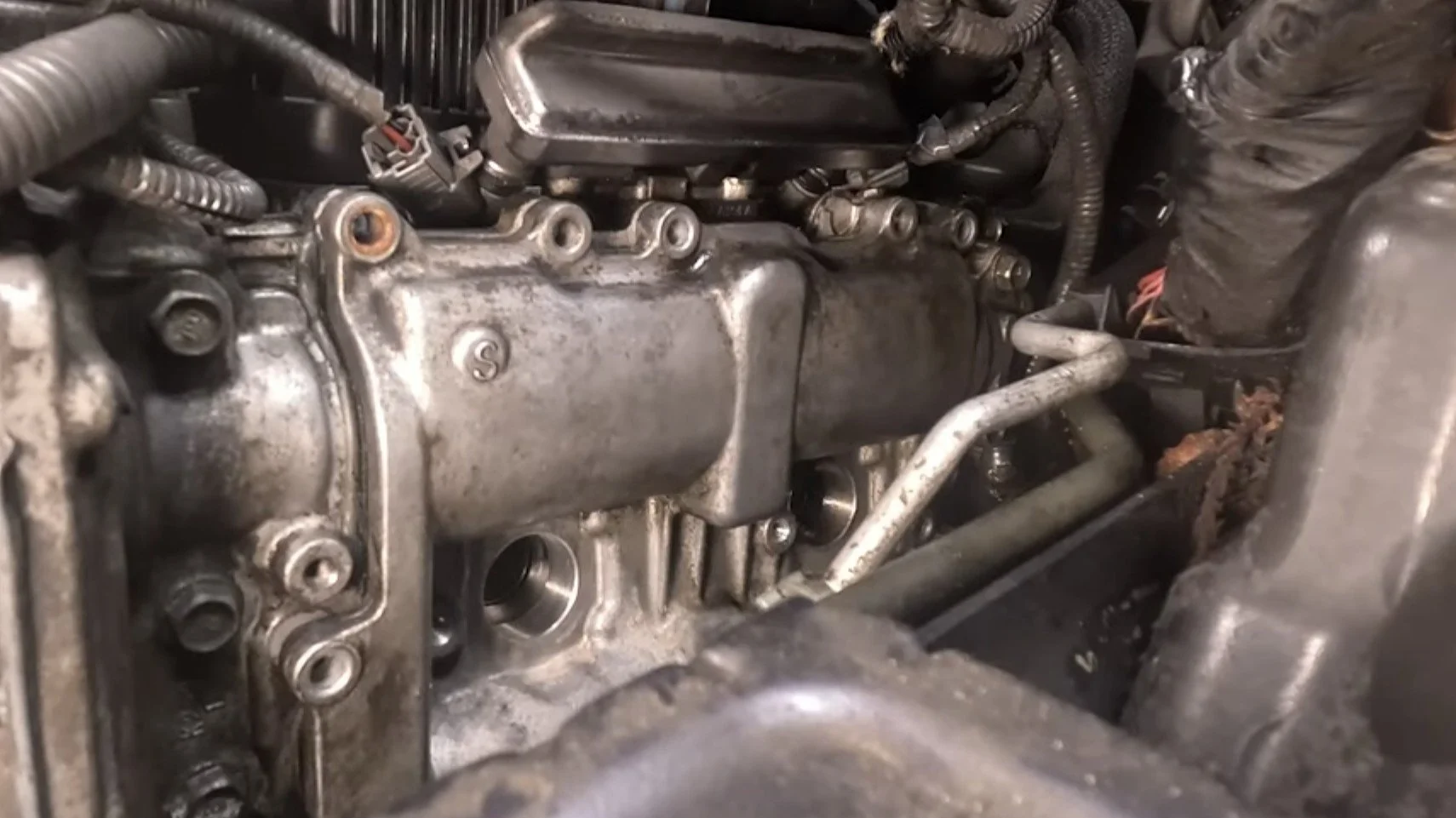
Subaru Valve Cover Gasket Replacement in Englewood, CO
A valve cover gasket leak is one of the more common Subaru oil leaks, and it often shows up as a burning oil smell before anything else. Oil can seep from the valve cover area, run down the engine, and land on hot exhaust parts.
Suba Rupair replaces Subaru valve cover gaskets in Englewood, CO for drivers from Denver, Littleton, Lakewood, Sheridan, Glendale, and nearby areas. We check the leak pattern before recommending the repair, because upper engine oil leaks can sometimes be confused with cam carrier leaks, head gasket area leaks, or oil coming from another seal.
Valve cover gasket replacement is usually more straightforward than a cam carrier reseal or head gasket reseal, but the source still needs to be confirmed first.
Quick Answer
Suba Rupair replaces Subaru valve cover gaskets when the valve cover area is confirmed as the source of the oil leak.
Common signs include burning oil smell, visible oil seepage near the upper engine, smoke from oil reaching hot exhaust, oil residue around the valve cover area, or oil found during an inspection.
If the leak source is unclear, we may recommend starting with a Subaru oil leak inspection. Oil can travel before it drips, so we want to know whether the leak is really coming from the valve cover gasket, cam carrier, head gasket area, oil pan, or another seal.
Call or text Suba Rupair to schedule Subaru valve cover gasket inspection or replacement.
Signs of a Subaru Valve Cover Gasket Leak
Valve cover gasket leaks often start small. Sometimes the first sign is not a puddle under the car, but a smell after driving.
You may notice:
burning oil smell
visible oil seepage near the valve cover area
smoke from oil reaching hot exhaust parts
oil residue on the side of the engine
oil found during an oil change or inspection
oil spots under the vehicle
low oil between services in more active cases
oil around spark plug tube areas where applicable
The smell can be stronger than the leak looks because even a small amount of oil can create a noticeable odor when it lands on hot exhaust.
Why Valve Cover Leaks Can Be Confused With Other Leaks
Oil does not always stay near the source. It can run down the engine, collect on lower parts, or get blown around while driving.
A valve cover leak can look like a lower engine leak after the oil travels. A cam carrier leak can sometimes look like a valve cover leak during a quick inspection. Head gasket area seepage can also confuse the picture.
That is why we try to trace where the oil starts, not just where it ends up.
If the source is not clear, we may clean the area and recheck it after the car has been driven. Fresh oil tells a better story than old buildup.
Valve Cover Gasket vs. Cam Carrier Leak
Valve cover gasket leaks and cam carrier leaks are different repairs.
A valve cover gasket leak usually comes from the gasket sealing the valve cover to the engine. A cam carrier leak comes from a sealed engine assembly area and is typically more labor-intensive to reseal.
These leaks can appear near each other, and both may create burning oil smells. The repair decision depends on where the oil is actually starting.
If the leak is mild and appears to be from the cam carrier area, it may not need immediate repair. Many cam carrier leaks we see are watched during oil changes unless they are active enough to justify resealing. Valve cover gasket leaks are a different repair, so we want to separate the two clearly.
Spark Plug Tube Seal Leaks
On some Subaru engines, valve cover gasket service may also involve spark plug tube seals. If those seals leak, oil can collect around the spark plug tube area.
That can lead to oil residue where it should not be and may contribute to ignition-related symptoms if it gets bad enough. Whether those seals are involved depends on the engine and what we find during inspection.
If we are replacing valve cover gaskets, we look at related sealing areas so the repair is not done halfway.
What Valve Cover Gasket Replacement Involves
The exact repair depends on the Subaru model and engine layout, but valve cover gasket replacement usually involves accessing the valve covers, removing the old gaskets, cleaning the sealing surfaces, replacing the gaskets, and checking related seals.
The basic steps may include:
confirming the valve cover area as the leak source
removing necessary parts for access
removing the valve cover
cleaning old oil and gasket material
replacing the valve cover gasket
replacing related spark plug tube seals where applicable
checking nearby sealing areas
reassembling and checking for leaks
The job may sound simple, but cleanliness matters. A rushed gasket surface can lead to repeat seepage.
PCV Condition Can Matter
The PCV system helps control pressure inside the engine. When the PCV valve or connector is not working properly, pressure-related issues can make oil seepage worse or put extra stress on aging seals.
A PCV problem will not fix a valve cover gasket that is already leaking. But if a Subaru has oil consumption, fuel-smelling oil, rough idle, lean codes, or multiple oil leak concerns, we usually want to look at PCV condition as part of the bigger picture.
Is a Valve Cover Gasket Leak Urgent?
It depends on how active the leak is and where the oil is going.
A light seep may be something to monitor. A leak that creates a burning smell, smoke, visible dripping, oil spots, or low oil between services should be checked more closely.
If oil is reaching hot exhaust parts, the smell can become hard to ignore. Even if the leak is not severe, it may still be worth repairing to stop the odor and prevent the leak from getting worse.
Why a Subaru-Focused Shop Helps
Subaru upper engine oil leaks can be easy to mislabel. A valve cover leak, cam carrier leak, head gasket area leak, or oil from another seal can all create similar complaints.
Because Suba Rupair works on Subarus every day, we are used to sorting through those patterns. We check the leak source before recommending the repair so the customer is not paying for the wrong gasket or reseal.
Schedule Subaru Valve Cover Gasket Replacement
If your Subaru smells like burning oil, has visible oil seepage, or has been told it may need valve cover gaskets, Suba Rupair can inspect it and explain what we find.
We replace Subaru valve cover gaskets in Englewood, CO for drivers throughout Denver, Littleton, Lakewood, Sheridan, Glendale, and the surrounding metro area.
Call, text, or use our contact form to schedule Subaru valve cover gasket inspection or replacement.
Frequently Asked Questions
-
Common signs include burning oil smell, visible oil seepage near the upper engine, smoke from oil hitting hot exhaust parts, oil residue around the valve cover area, or oil found during an inspection.
-
No. Valve cover gasket leaks and cam carrier leaks are different repairs, though they can both cause oil seepage and burning oil smells. The leak source should be confirmed before recommending repair.
-
It depends on the severity. A light seep may be monitored, but a leak that causes smoke, strong burning smell, oil spots, or low oil between services should be inspected and planned for repair.
-
Yes, depending on the engine and seal design. Spark plug tube seal leaks can allow oil into areas around the spark plug tubes, which may need to be handled along with the valve cover gasket repair.
-
A burning oil smell often means oil is leaking onto hot exhaust parts. Valve cover gaskets are one possible source, but cam carriers, head gasket areas, oil pan leaks, or other seals can also cause oil smells.